Millions of people are employed in agriculture, which continues to be the foundation of many African economies and makes a substantial contribution to national income. Farming sustains rural livelihoods, food security, and trade in nations like Tanzania, Nigeria, Kenya, and Ethiopia. Agriculture continues to offer the greatest potential for equitable economic development throughout the continent, despite the fast urbanization and expansion of the technological industries.
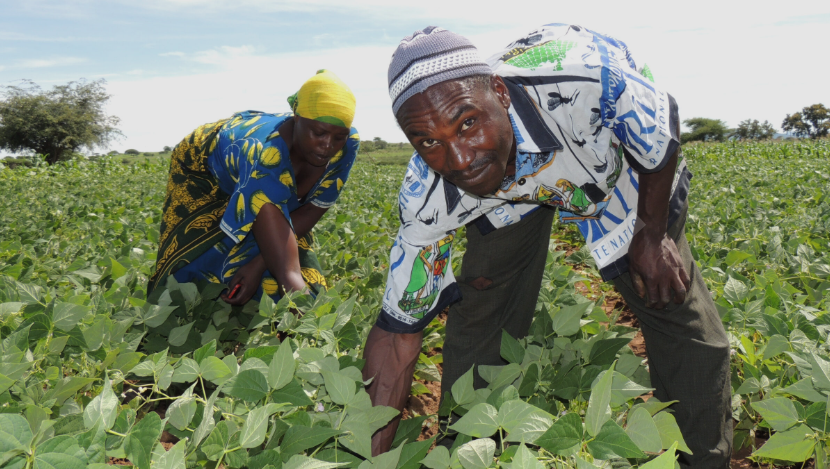
Employment is one of the main reasons Africa’s economic change must be led by agriculture. Millions of young people in Africa join the workforce each year, making up a sizable portion of the continent’s population. those in transportation, food processing, packaging, marketing, and exports can be generated by modern agriculture in addition to those on farms. In both rural and urban areas, government investments in irrigation, mechanized farming, and agricultural education create opportunities for young employment and entrepreneurship.
Another important consideration is food security. Africa imports food items that could be produced domestically, costing billions of dollars annually. Increasing agricultural output can improve citizens’ affordability and nutrition while lowering reliance on imports. Strong agricultural systems provide countries with more protection from supply chain disruptions, increased food costs, and shocks to the world economy. Thus, investing in local farming becomes a national security and economic policy.
Industrialization can also be greatly aided by agriculture. Finished items including flour, cooking oil, textiles, dairy products, drinks, and animal feed can be made from raw agricultural resources. As a result, manufacturing sectors are created that enhance local resources prior to export. African countries can make more money by processing these goods domestically and building stronger industrial economies rather than exporting raw coffee, cocoa, cotton, or cashew nuts.
Regional trade is another crucial factor. African nations now have a significant chance to trade agricultural products internationally thanks to the establishment of the African Continental Free Trade Area. Improved transportation systems, better storage facilities, and less trade restrictions can help farmers reach more markets and boost local producers’ earnings. Therefore, agricultural commerce can improve economic cooperation and lower poverty throughout the continent.
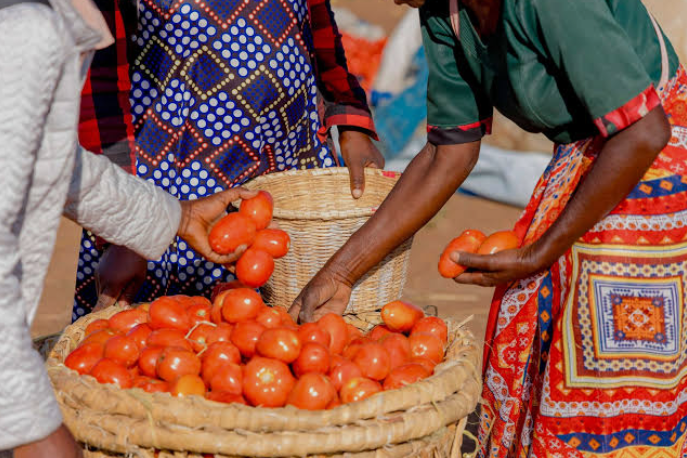
African agriculture is also changing due to technology. Farmers may now access market prices, weather data, mobile banking, and contemporary farming methods thanks to digital platforms. In order to increase productivity, young inventors in Africa are creating smart farming solutions with drones, smartphone apps, and artificial intelligence. Africa can modernize one of its oldest industries and appeal to younger people by fusing innovation with agriculture.
African farmers now face severe difficulties as a result of climate change, such as droughts, floods, and erratic rainfall. Investing in climate-smart agriculture, however, can increase sustainability and resilience. For farming communities, irrigation infrastructure, drought-resistant crops, and renewable energy sources can be supported by governments and private investors. Future economic expansion and environmental preservation will both benefit from sustainable agriculture.
Development of infrastructure is equally crucial. Poor roads, insufficient electricity, inadequate storage systems, and restricted access to financing continue to be major challenges for many farmers. These difficulties result in significant post-harvest losses and lower output. Throughout agricultural value chains, significant investments in rural infrastructure may link farmers to markets, cut waste, and boost earnings.
Africa’s large, rich territory, wealth of natural resources, and expanding population all contribute to the continent’s high need for food and agricultural goods. Agriculture may become the cornerstone of industrial development, export growth, poverty alleviation, and long-term economic stability if it is given the right assistance. African nations must approach agriculture as a key industry that may propel economic development for future generations rather than as a traditional or low-income endeavor.