Slowly but surely, electric vehicles are joining the global trend of more environmentally friendly and sustainable modes of transportation. Compared to North America, Europe, and China, adoption in Africa is still in its infancy, but the continent is starting to show great promise. Electric vehicles (EVs) are predicted to become more popular in African cities in 2026 and beyond as gasoline prices rise, governments fight for greener energy, and technology becomes more accessible.
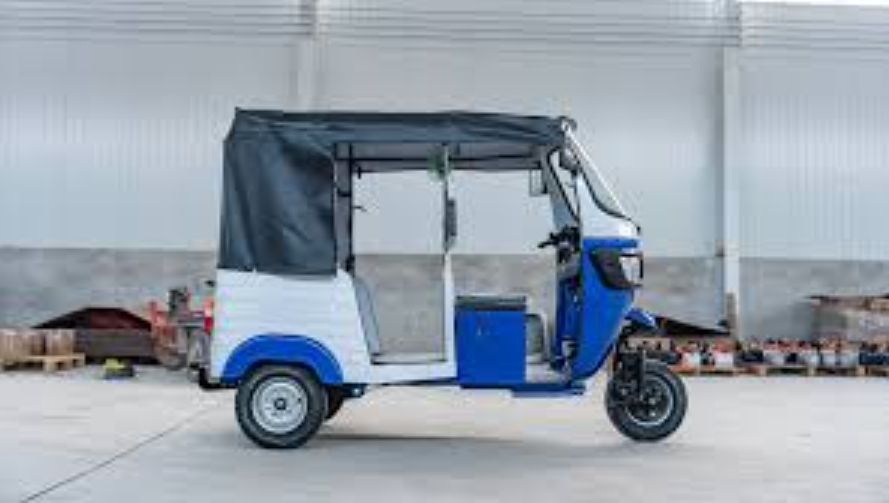
The rising cost of fuel is one of the primary factors propelling the adoption of electric vehicles in Africa. Due to the heavy reliance of many African nations on imported petroleum products, fuel costs are erratic and frequently high for consumers. Since they run on energy rather than petrol, electric vehicles provide a more affordable option over time. EV use is anticipated to become increasingly feasible for daily transportation as access to power increases and renewable energy sources like solar and wind grow.
The future of electric vehicles is also significantly influenced by urbanization. Rapid population expansion is causing traffic jams and air pollution in cities like Nairobi, Lagos, Johannesburg, Accra, and Dar es Salaam. In these cities, electric buses, vehicles, and motorcycles are seen to be a way to lower emissions and enhance air quality. As a long-term answer, governments and private investors are starting to look into electric public transportation networks.
Africa still has a number of obstacles when it comes to EV adoption, despite the optimistic prognosis. Inadequate infrastructure for charging is one of the main obstacles. In contrast to wealthy nations, many African cities lack broad charging stations, which makes it challenging for owners of electric vehicles to travel long distances. Additionally, even though prices are predicted to decrease as global production rises, many consumers still find the high initial cost of electric automobiles to be a barrier.
But these difficulties also present excellent commercial opportunities. In important sites including cities, highways, retail malls, and residential areas, African entrepreneurs can invest in the construction of EV charging stations. Similar to today’s gas stations, charging infrastructure will become a very profitable industry as demand increases. Companies that get into this market early will probably reap big rewards later on.
Importing and distributing electric vehicles is another significant possibility. African importers can form alliances to introduce reasonably priced electric vehicles, motorcycles, and bicycles into regional markets as international manufacturers increase their EV manufacturing. Low-cost electric cars are currently being produced in nations like China, and once infrastructure and laws are improved, they may be appropriate for African buyers.

Another rapidly expanding market is electric motorcycle taxis, also referred to as boda boda or bajaji in East Africa. Electric motorcycles are already being introduced by numerous entrepreneurs in an effort to lower riders’ fuel expenses. Taxis are drawn to these cars because they are less expensive to run and maintain. This trend can be very beneficial to companies that offer leasing models, financing, or battery switching services.
Services for battery maintenance and recycling are also anticipated to grow into significant industry. Systems for battery replacement, maintenance, and recycling will become more and more necessary as more electric vehicles hit the market. This opens doors for green technology firms, engineering startups, and technical training facilities throughout Africa.
Supporting electric vehicles will also be greatly aided by the integration of renewable energy. Electricity shortages in rural and semi-urban regions can be addressed by the use of off-grid energy sources and solar-powered charging stations. By investing in solar energy and EV charging infrastructure, entrepreneurs can develop scalable and sustainable business models.
In conclusion, electric vehicles have a bright future in Africa, but they are still in the early stages of development. Opportunities are considerably higher, yet obstacles like infrastructure and cost still exist. The EV industry has the potential to generate thousands of employment and new businesses throughout the continent, from charging stations and vehicle importation to electric motorbikes and sustainable energy solutions. Africa is well-positioned to become a significant growth market in the near future, even though it may not be leading the electric car revolution right now.