The worldwide workforce is fast changing due to automation, and Africa is witnessing this change in a number of industries, including manufacturing, banking, retail, transportation, and agriculture. In order to boost productivity, cut expenses, and improve efficiency, more businesses are implementing robotics, automated systems, and artificial intelligence in 2026. The nature of traditional professions that many people have relied on for years is altering as a result of this shift, even though it is also opening up new opportunities.
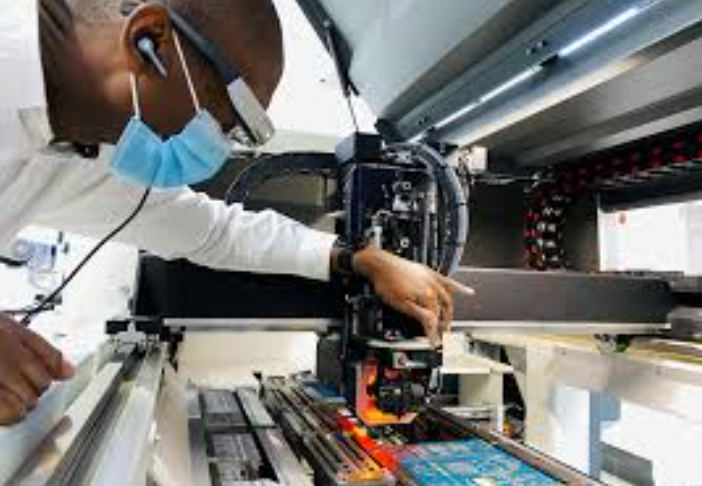
Manufacturing is one of the most impacted sectors. Tasks that were previously completed by workers are now carried out by machines and robotic systems in many factories. These consist of product assembly, packaging, and quality assurance. Automation minimizes the need for a large number of human laborers while also enabling businesses to create items more quickly and with fewer faults. Because of this, many employees are under pressure to pick up new technical skills in order to stay competitive.
Automation is also having a significant impact on the agricultural industry. Drones, automated irrigation systems, and AI-powered monitoring tools are examples of modern farming equipment that helps farmers increase crop productivity. These technologies have the ability to forecast weather patterns, identify pests, and assess soil conditions. This lowers the need for traditional manual farming labor, particularly in large commercial farms, even while it boosts efficiency and food output.
Automation has also had a significant impact on the banking and financial industry. These days, a lot of banks process transactions and client inquiries via ATMs, mobile banking apps, and AI-powered customer support systems. It is now possible to do tasks like account maintenance, loan applications, and money transfers without going to a real bank. As a result, there are fewer tellers and customer service positions, but there is a greater need for IT and digital banking experts.
Jobs in retail and customer service are also changing. To cut down on the necessity for cashiers, supermarkets and other establishments are implementing digital payment methods and self-checkout systems. Online retailers use automated systems to handle deliveries, inventory, and orders at the same time. The conventional function of retail employees is being altered by this change, and new opportunities in digital marketing, e-commerce management, and logistics are being created.

Another industry seeing major automation changes is transportation. The way taxi services function has already been altered by GPS-based systems and ride-hailing apps. In certain places, autonomous vehicles may eventually eliminate the need for human drivers. However, because of infrastructure issues, this shift will take time in Africa. However, fleet management systems, delivery services, and logistics are all gradually being impacted by automation.
Automation is not only eliminating jobs but also generating new ones, despite worries about job loss. Humans are moving toward highly skilled jobs that call on technical expertise, creativity, and critical thinking while computers take over repetitive work. Jobs in cybersecurity, AI management, data analysis, software development, and machine maintenance are expanding quickly. Employees who improve their abilities are more likely to gain from these adjustments.
Increased productivity and economic growth are two other significant effects of automation. Adopting automated technologies can help businesses run more smoothly, cut expenses, and provide customers with better services. This may result in the growth of businesses and the development of new industries, which eventually creates new job possibilities.
The skills gap, however, is one of the main obstacles. Many employees in traditional jobs lack the training needed to move into positions driven by technology. Some persons may experience underemployment or unemployment if they do not have access to education and training in digital skills. This emphasizes how crucial it is for organizations and governments to fund technical education and career training initiatives.
In conclusion, traditional employment in Africa and around the world are being drastically altered by technology. In addition to decreasing the need for some physical and repetitive jobs, it is opening up new career options in technology and skilled occupations. How rapidly employees adjust to these changes will determine the nature of employment in the future. In an increasingly automated market, those who embrace lifelong learning and digital skills will have an advantage.